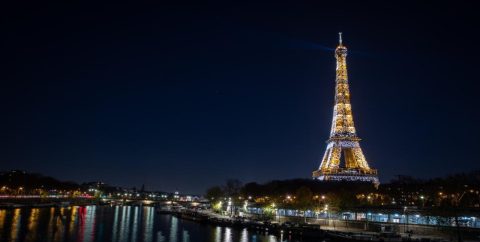
The Eiffel Tower’s Nighttime Lights are Copyrighted
While the Eiffel Tower’s structure itself is in the public domain, but its nighttime light display is copyrighted. Taking photos of it at night and using them commercially without permission would amount to copyright infringement.
IP Fun Fact
The “Happy Birthday” Song Was Copyrighted Until 2016
The Happy Birthday song was under copyright protection for decades, owned by Warner/Chappell Music. However, in 2016 the US Federal Court declared the song to be part of the public domain, allowing people to sing it freely without legal repercussions.
IP Fun Fact
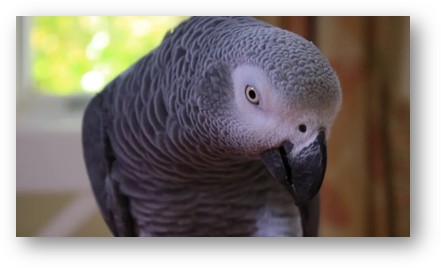
A Parrot Was a Witness in a Copyright Case
In 2017, a parrot named “Bud” became a key witness in a murder case where the victim’s wife was accused. Bud repeated phrases like, “Don’t f***ing shoot!” which were recorded as evidence. The trial sparked conversations about IP, as the bird’s “speech” was technically an unauthorized copy of the victim’s voice.
IP Fun Fact
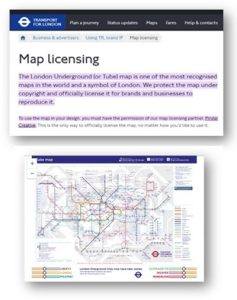
The London Tube Map is Copyrighted
The famous London Underground map, created by Harry Beck, is protected by copyright. It’s so iconic that even similar designs must be licensed.
IP Fun Fact
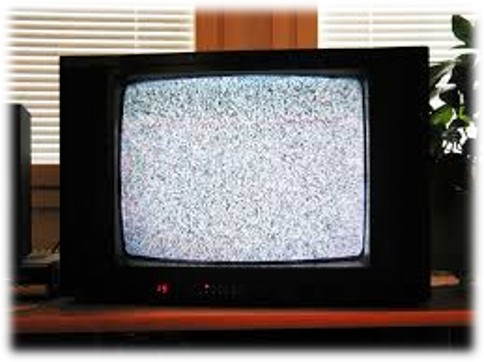
Does anyone Own Static Sound?
In 2018, Sebastian Tomczak uploaded a 10-hour video of pure white noise to YouTube, only to receive five separate copyright infringement claims from different companies claiming he stole their white noise. The absurdity highlighted how automated copyright systems can’t distinguish between naturally occurring sounds.
IP Fun Fact
When Body Art Meets Digital Identity
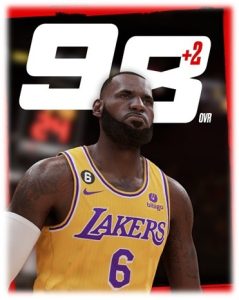
Tattoo artist Jimmy Hayden sued NBA 2K video game series for reproducing his tattoos on LeBron James in the video game version. A jury held the video game developer had an implied license, as a player’s likeness can include permanent features like tattoos. Some claims were dismissed while others went to trial, showing how outcomes depend on consent and use. The case reflects the tension between copyright in tattoos and publicity rights in identity.
IP Fun Fact
The Micky Mouse Protection Act
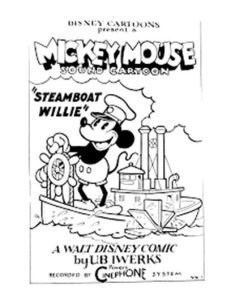
Mickey Mouse first appeared in the animated short film, Steamboat Willie (best known as the public debut of Mickey Mouse and Minnie Mouse). As its copyright neared expiration, The Walt Disney Company strongly supported extensions of copyright law in the U.S., leading to the Copyright Term Extension Act, 1998 (which extended protection to another 20 years). Critics famously dubbed it the “Mickey Mouse Protection Act,” making it a classic example of how powerful IP holders can influence legislation to safeguard valuable creative assets.
IP Fun Fact
Spray. Paint. Copyright.
Did you know street artists can legally own thecopyright to graffiti they painted illegally? Copyrightautomatically protects original art the moment it isfixed in a tangible medium, even if the canvas is a wall.
This creates a fascinating legal paradox, on one end abuilding owner can have the artist arrested forvandalism, but on the other, if someone copies thatexact same mural for merchandise without permission,the artist can sue for copyright infringement.