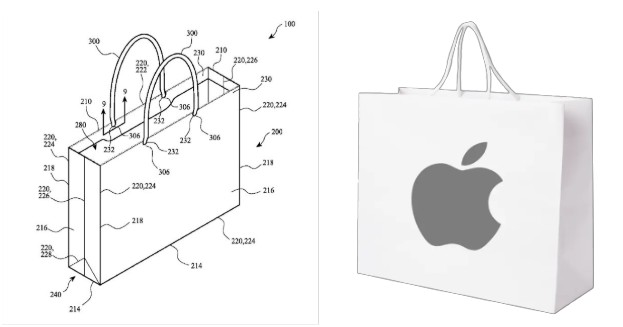
Apple was granted a patent in 2016 for an eco-friendly bag made of 60% recycled materials with a unique design to align with the company’s brand aesthetics. Apple came up with a bundle of alterations that helps its bags remain sturdy, pearly white and environmentally friendly.
IP Fun Fact
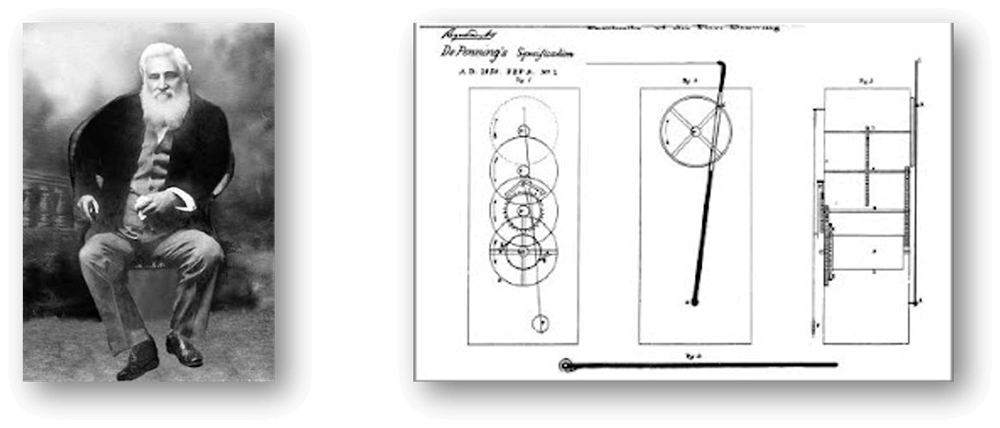
The first Indian Patent was for an ‘An Efficient Punkah Pulling Machine’
On 3rd March 1856, a civil engineer, George Alfred DePenning of 7, Grant’s Lane, Calcutta applied with the Government of India for grant of Exclusive Privileges for his invention – “An Efficient Punkah Pulling Machine”. The Act relating to Patent Rights introduced in 1856 granted Exclusive Privileges to the inventor of new methods of manufacturing for a period of 14 years.
IP Fun Fact
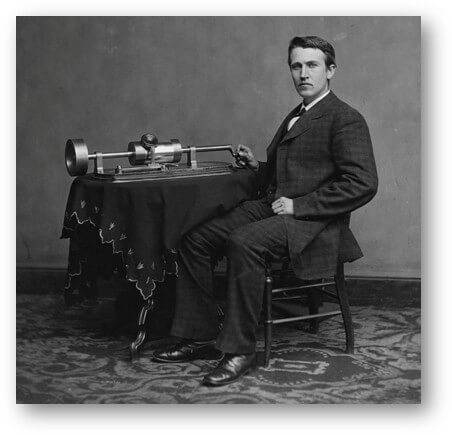
Edison Filed Over 1,000 Patents
Thomas Edison holds 1,093 U.S patents, including those for the phonograph and electric lightbulb. He still holds the record for most patents granted to a single person in U.S history.
IP Fun Fact
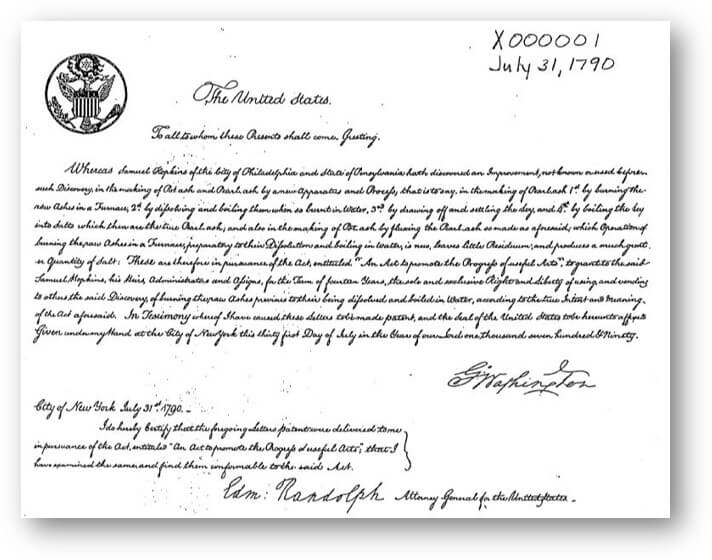
The First U.S. Patent was for Potash
The very first U.S. patent was issued in 1790 for a process to produce potash, a key ingredient in fertilizer. The patent was signed by George Washington himself.
IP Fun Fact
Tesla Made its Patents Free to Use
Elon Musk announced in 2014 that Tesla would make its patents open source to encourage the development of electric vehicles.
IP Fun Fact
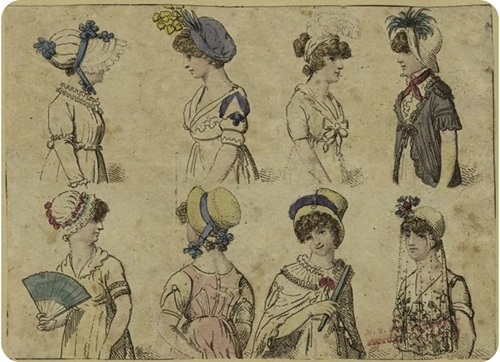
The First Patent Issued to a Woman was in 1809
Mary Kies was the first woman in the U.S. to receive a patent-for a method of weaving straw with silk.
IP Fun Fact
Amazon Patented the 1-Click Checkout
Amazon patented its famous “1-Click Checkout” process in 1999, giving it a competitive edge for years. Other companies licenses this technology until the patent expired in 2017
IP Fun Fact
The Fidget Spinner Patent Was Never Renewed by Its Inventor
Catherine Hettinger, the original inventor of the fidget spinner, couldn’t afford to renew her patent before the craze blew up.
IP Fun Fact
Spotify Patented Technology to Analyse Emotions
Spotify holds patents for systems that analyse user emotions and suggest songs accordingly, potentially shaping the future of music streaming.
IP Fun Fact
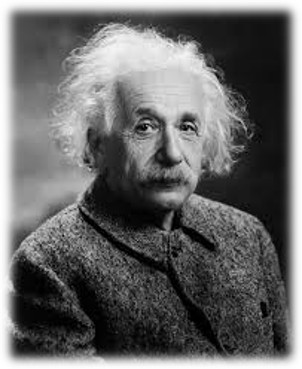
The Best-Known Patent Examiner
Einstein is widely regarded as the most famous patent examiner of all time. Before becoming one of the greatest minds in physics, he worked as a patent examiner in the Swiss Patent Office where his job was to review technical patents, a role he took up while working on his special theory of relativity.
IP Fun Fact
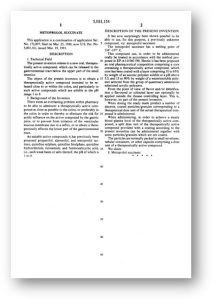
A Half Page long Patent
The title of the shortest patent is “Metroprolol Succinate”. Patent numbered US Patent No. 5,081,154 is just half of a page long (about 70 lines). This patent covers a modified release pharmaceutical composition that includes metoprolol succinate.
IP Fun Fact
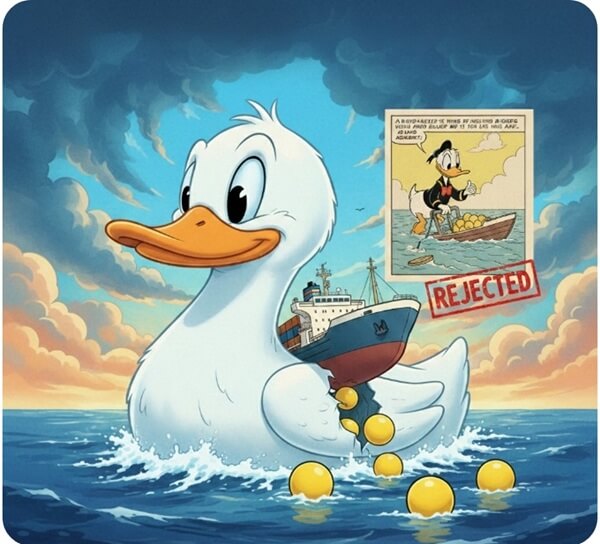
A Patent Sunk by a Cartoon
An inventor filed a patent for a method of raising sunken ships by pumping them full of buoyant balls. However, the Dutch patent office rejected the application. The surprising reason is that the idea wasn’t novel as it had already been illustrated years ago in a Donald Duck comic strip.
IP Fun Fact
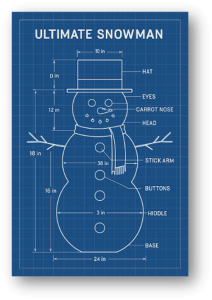
An Official Patent for Building a Snowman
Inventor Ignacio Marc Asperas worked on how to build the ultimate snowman and patented his idea in 2011. The newly patented snowman building procedure as granted by the United States Patent and Trademark Office was officially dubbed the “apparatus for facilitating the construction of a snow man/woman.”
IP Fun Fact
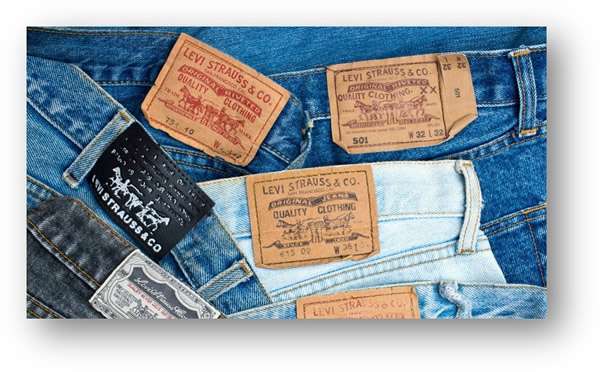
Patent of the Blue Jean
On May 20, 1873, tailor Jacob Davis and fabric supplier Levi Strauss patented an invention that would change the world: the blue jean. Their idea wasn’t the denim itself, but the small copper rivets placed on pocket corners and the base of the button fly to stop them from tearing under strain. Originally designed as durable workwear for miners and laborers, these revolutionary pants laid the foundation for an iconic piece of fashion.
IP Fun Fact
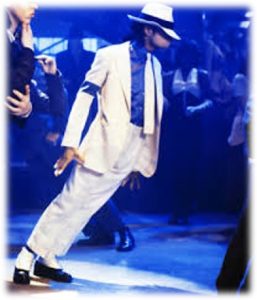
The King of Pop Leaned into Patents
Did you know that Michael Jackson’s iconic pose is credited to a patented invention? The musician once filed a patent for “anti-gravity illusion shoes” that were used in the music video for his song “Smooth Criminal.”
IP Fun Fact
Yes, It ‘Can’ Be Protected
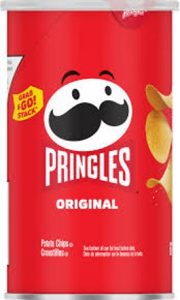
The tall, slightly curved cylinder of a Pringles can with its peel-open metal lid has been patented in 1970 through the United States Patent and Trademark Office. Snack rivals can’t package crisps in any container that too closely mimics that famous tube shape.
IP Fun Fact
The World’s First Patent Was Granted in 1474
The earliest recorded patent was granted in Venice in 1474 for a glass-making technique. This Venetian Patent Statute is considered the foundation of modern patent law, proving that intellectual property protection predates most modern legal systems
by centuries.
IP Fun Fact
Rocking Bath Tub (1900)
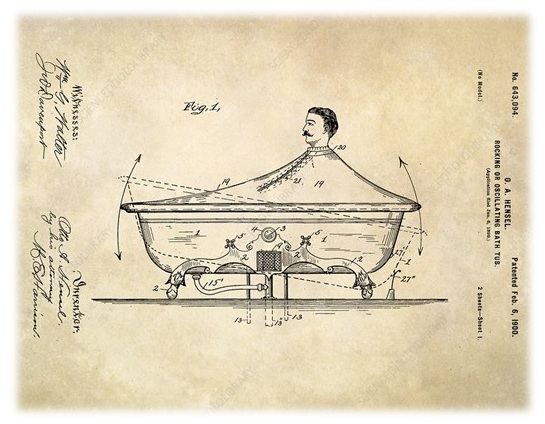
In 1900, Otto A. Hensel patented the “Rocking or Oscillating Bath Tub,” an invention that gently rocks and splashes water against the bather during use. The idea was to create a more invigorating and therapeutic bathing experience without any manual effort. Long before modern spas and water parks, this patent proves that inventors were already trying to turn everyday routines into immersive experiences one rocking bath at a time!
IP Fun Fact
A Spring, a Spring, a Marvellous Thing!
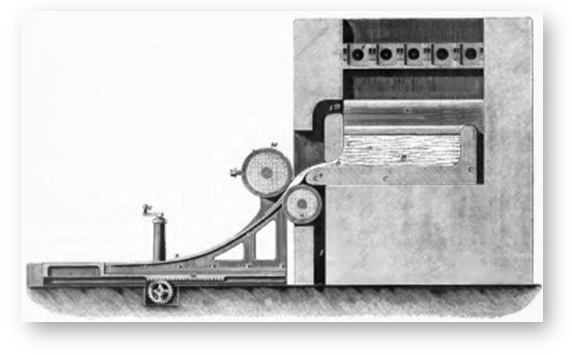
Many famous inventions were born entirely by accident, including the popsicle, Teflon, and the Post-it note and the beloved Slinky is no exception. Naval engineer Richard James was working on a spring-based system to stabilise sensitive ship equipment in rough seas when one of his springs fell off a shelf and “walked” across the floor. Instantly recognising its potential, James, along with his wife Betty, refined the design and transformed it into a toy. In 1946, James filed a utility patent application at the United States Patent and Trademark Office for the Slinky, describing it as a “toy and process of use”.
IP Fun Fact
Seat belts patent for free
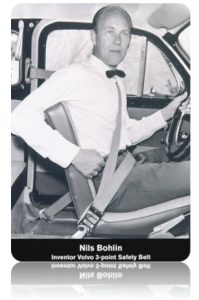
In 1959, Volvo engineer Nils Bohlin invented the modern three-point seat belt. Volvo filed the patent (US3043625A) in 1959 which was granted on July 10, 1962, but made a remarkable decision soon after. Instead of restricting its use, Volvo opened the patent to all manufacturers for free. Which allowed the safety innovation to spread rapidly across the global auto industry. The three-point seat belt became the standard in vehicles worldwide. It is estimated that this single invention has over a million lives saved.