Apple was granted a patent in 2016 for an eco-friendly bag made of 60% recycled materials with a unique design to align with the company’s brand aesthetics. Apple came up with a bundle of alterations that helps its bags remain sturdy, pearly white and environmentally friendly.
IP Fun Fact
Nike’s “Just Do It” Slogan was Inspired by a Criminal
Nike’s iconic “Just Do It” slogan was inspired by convicted murderer Gary Gilmore’s last words before his execution: “Let’s do it.” It was softened to become one of the most famous advertising slogans in history.
IP Fun Fact
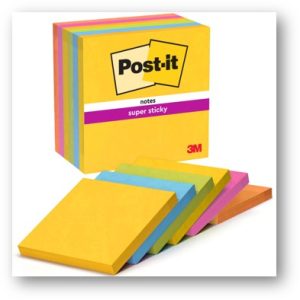
Post-It Notes Were a Failed Adhesive
The glue used in Post-it Notes was accidentally invented by a 3M scientist who was trying to make a strong adhesive.
IP Fun Fact
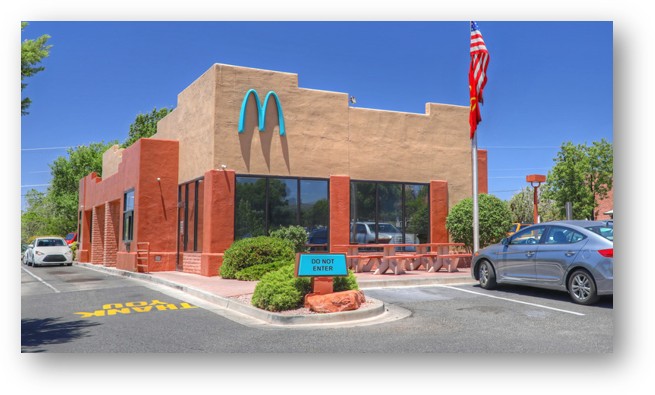
The McDonald’s restaurant in Sedona, Arizona uses blue arches instead of its iconic yellow golden logos.
The blue arches of the McDonald’s there (built early in the 1990s) were meant to harmonize with the earthy, serene aesthetic of Sedona, mandated by the city’s planning commission.
IP Fun Fact
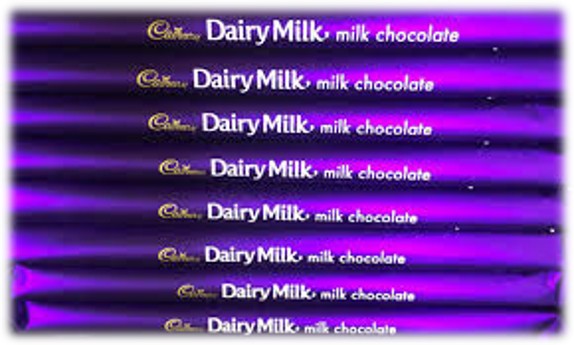
Cadbury’s use of the colour Pantone 2865c since 1914
Cadbury has used its iconic purple on its products since 1914, originally to honour Queen Victoria as it was her favourite colour. As the company had a royal warrant as an official cocoa and chocolate maker for the British monarch, the colour also established a connection with the Monarchs and helped distinguish its products from competitors.
IP Fun Fact
When Patents Went Up in Smoke
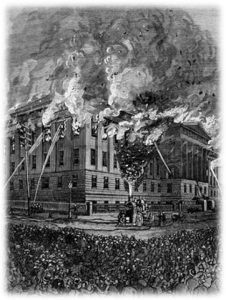
In 1836, a massive fire destroyed an estimated 10,000 patent drawings and 7,000 models in the US Patents Office. Many inventors later resubmitted their designs, a dramatic testament to the resilience of innovation in the face of disaster. But to make things worse, the Patent Office burned down again in 1877.
IP Fun Fact
Can You Plagiarize Your Own Song?
In a bizarre music lawsuit, John Fogerty, voice of Creedence Clearwater Revival (CCR), was sued for sounding too much like himself. After Fogerty went solo, his former label, Fantasy Records, claimed his new hit “The Old Man Down the Road” was a copy of his older song, “Run Through the Jungle.” Fogerty famously brought his guitar to the courtroom to demonstrate his creative process. A six-person jury decided in Fogerty’s favor.
IP Fun Fact
Coca-Cola Never Patented Its Formula
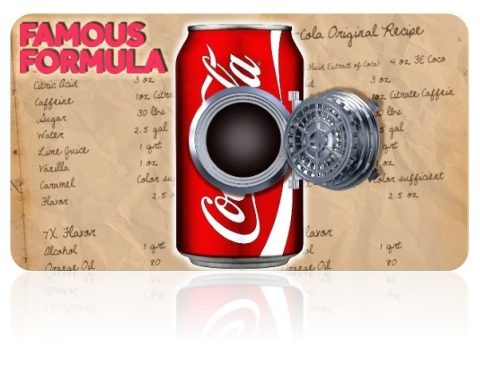
Coca-Cola famously never patented its secret recipe. The reason? Patents expire, but trade secrets don’t. By keeping the formula confidential, allegedly locked in a vault in Atlanta, the company chose perpetual secrecy over time-limited monopoly, turning IP law into corporate mythology.
IP Fun Fact
Where to make the Mark ?
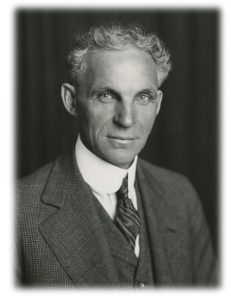
When Henry Ford’s plant generator failed and his engineers couldn’t fix it, he called Charles Proteus Steinmetz, a well-known electrical engineer. After two days of observation and calculations, Steinmetz marked a small X on the machine and directed engineers to adjust a specific coil, instantly solving the problem. He billed $10,000 (a significant sum at the time), later explaining it as $1 for the mark and $9,999 for knowing where to place it, which Ford accepted as the true value of expertise. As Bill Honaker (a former USPTO Examiner) notes, IPR works the same way: a single sentence can determine a patent’s strength, and a small detail can decide a trademark dispute. These small details and solutions might appear straightforward, but they only appear simple and straightforward after decades of experience of IPR lawyers reveal how to carefully draft and identify rights.
IP Fun Fact
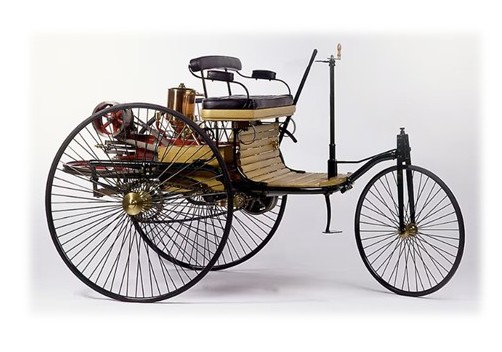
The first petrol-powered automobile
The first petrol-powered automobile was invented in 1886 by Carl Benz. With crucial financial and practical support from his wife, Bertha Benz, he developed the three-wheeled vehicle known as the Benz Patent Motorwagen. This early automobile was powered by a single-cylinder, four-stroke engine producing about 0.9 horsepower. Despite its modest output, the Motorwagen marked a revolutionary step in transportation, laying the foundation for the modern automotive industry.
IP Fun Fact
The Plagiarius Prize: An award nobody wants to Win
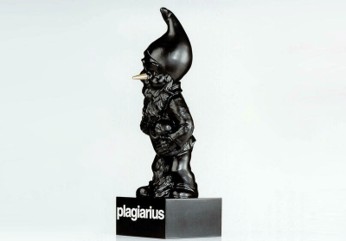
Winning an award is usually a cause for celebration, unless, of course, the prize is a black gnome with a golden nose. Back in 1977, industrial designer Rido Busse established this annual anti-prize after discovering cheap knockoffs of his work at a trade fair. The Plagiarius competition calls out companies that brazenly copy innovative products, leveraging public embarrassment to highlight the dangers of the counterfeit market.
The signature golden-nosed gnome serves as a pointed symbol for the massive profits pirates rake in at the inventor’s expense, reminding everyone that imitation drains the very spirit of creativity. The initiative even features a permanent museum exhibition showcasing hundreds of original products side-by-side with their cheap imitations.